
AI Sales Coaching Best Practices for Live Calls
Live AI coaching is powerful, but only if your team uses it well. Practical best practices for staying natural, fast, and effective on every call.
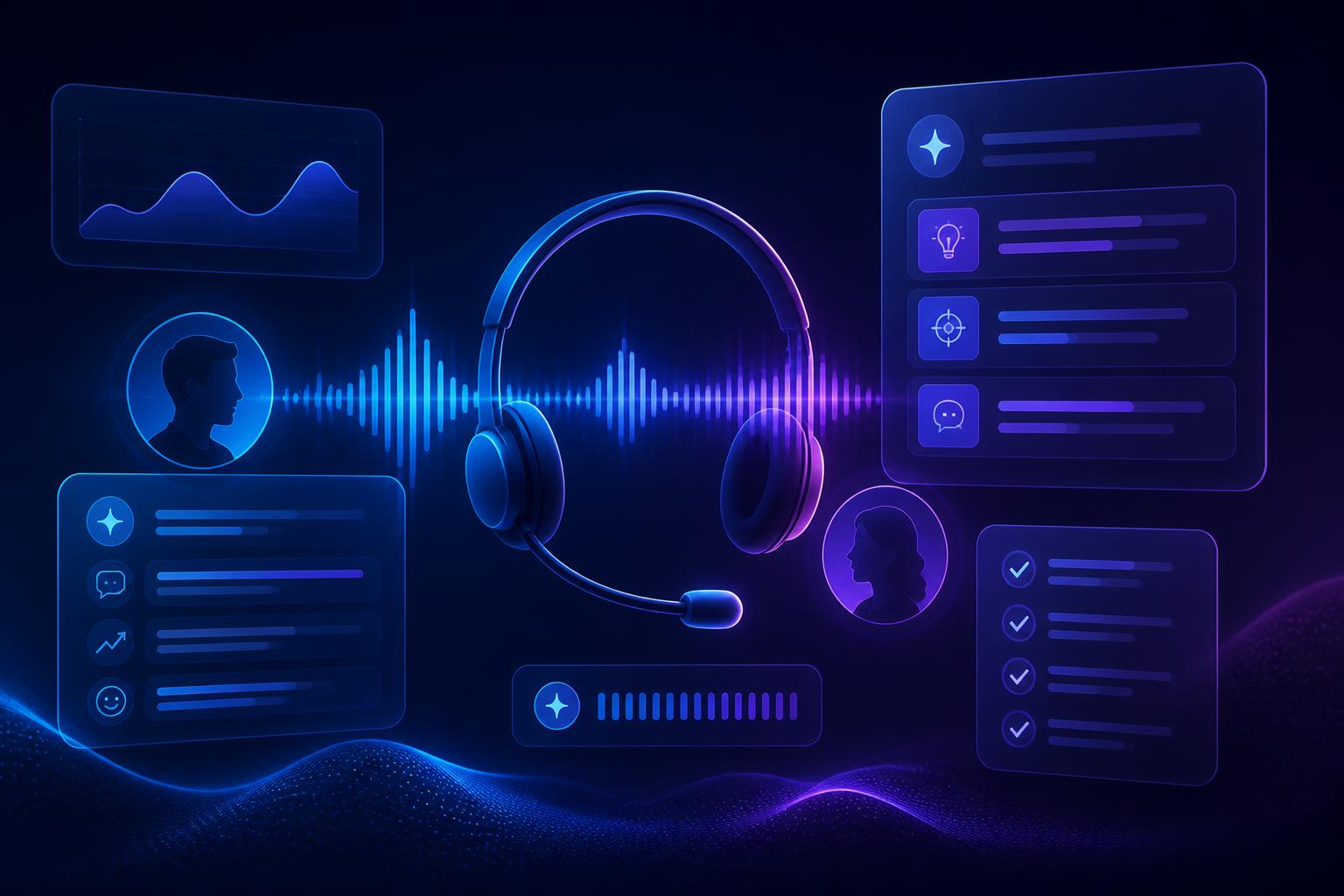
Real-time AI coaching can transform a team's performance — or it can turn reps into people who read robotic scripts off a screen. The difference is entirely in how you use it. These best practices keep live guidance an asset rather than a crutch.
1. Treat suggestions as prompts, not scripts
The goal of a live suggestion is to remind you of the right point, not to put words in your mouth. Glance, internalize the idea, and say it in your own voice. Customers can hear when someone is reading; they respond to someone who understands.
2. Feed it a great knowledge base
AI guidance is only as good as the documents behind it. Upload current pricing, accurate policies, and well-written objection responses. Garbage in, garbage out — but a clean, current knowledge base makes every suggestion sharp and trustworthy.
3. Use SOP checklists for consistency
Let the live SOP checklist handle the things people forget under pressure — disclosures, qualifying questions, next steps. That frees your attention for the human part of the conversation while ensuring nothing critical gets skipped.
4. Watch the signals, not just the words
Use sentiment and intent cues to adjust your pace. When frustration rises, slow down and acknowledge. When buying intent appears, stop selling and start closing. The signals are there to guide timing as much as content.
5. Review and refine
- Notice which suggestions you keep ignoring and update the source docs.
- Share phrasing that works well so the whole team benefits.
- Keep the knowledge base fresh as products and prices change.
Used well, real-time AI coaching makes good reps great and new reps competent fast — all while keeping every conversation genuinely human.
Try SOP Prompter on your next call
Real-time transcription, AI suggestions, and SOP guidance — free to start.